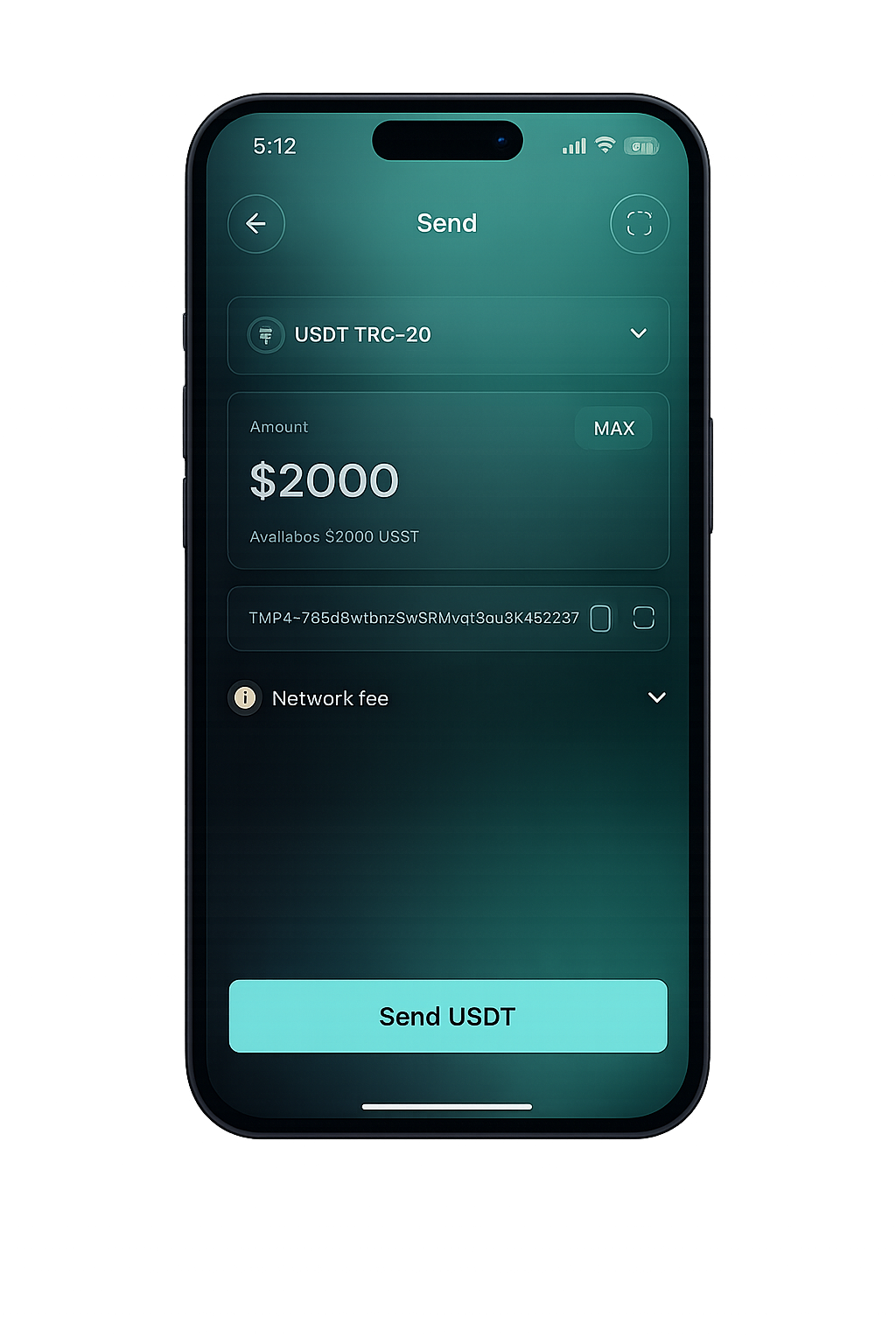
Crypto wallets with cards offer digital asset users a practical way to spend funds in everyday situations. They bridge the gap between crypto holdings and regular purchases, while building security into every step. A solid setup typically includes encryption, private keys, device verification, transaction alerts, and spending limits.
Users can further strengthen their position by safeguarding login details and closely monitoring each transaction. For anyone managing digital assets, choosing a reliable TRX wallet with a card feature puts both convenience and security within reach.
Encryption protects account data
Encryption helps protect sensitive account information from unwanted access. Wallet providers use security systems to protect login details, payment data, and transaction records. Strong encryption makes stolen information harder for criminals to read. Users also help protect their accounts by choosing a long, unique password. A password manager can store complex passwords securely, reducing the risk of weak or repeated login details.
Private keys keep funds protected
Private keys act as proof of control over crypto assets. Anyone who gains access to a private key may gain access to the linked funds. Users should store recovery phrases in a secure offline location and keep them away from phones, email accounts, and cloud storage. A trusted wallet also gives users clear recovery options. Users should never share private keys or recovery phrases with customer support agents, friends, or strangers.
Card security adds another layer
Crypto cards usually include controls that help users manage spending. A user may freeze a card, set spending limits, review transactions, or receive payment alerts. These features help users spot suspicious activity quickly. Some services also use two factor authentication, device verification, and biometric checks. These tools make unauthorized account access harder when criminals obtain a password.
Watch for scams and fake apps
Strong wallet technology cannot stop every scam. Criminals use fake wallet apps, phishing pages, fake support accounts, and deceptive messages to steal account details. Users should download wallet apps from trusted sources and check website addresses before entering login information. A wallet provider will never ask for a private key through a random message. Users should also ignore urgent requests that pressure them into sending crypto or revealing recovery phrases.
Secure habits make a difference
Good security starts with simple daily habits. Users should update wallet software, enable two factor authentication, review transaction alerts, and keep recovery information offline. Public Wi-Fi also deserves caution during sensitive account activity.