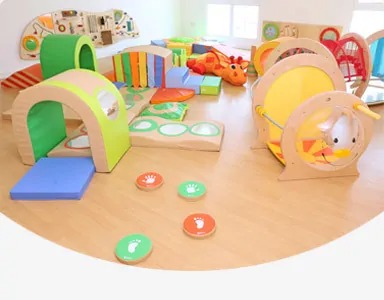
A child’s day in nursery school looks simple from the outside, yet a close look at the daily schedule reveals a carefully designed flow of activities. This flow affects everything from mood to memory, from social skills to physical health. The order of events shapes how a child learns, rests, and plays. The best nurseries in Dubai Marina build their daily plans with great care and attention to every small detail.
The rhythm of the day sets the tone
Children feel safe when they know what comes next. A regular schedule gives them a sense of control over their small world. When snack time follows circle time every day, a child starts to anticipate events. This anticipation builds confidence and reduces anxiety. A predictable day helps young minds settle into learning mode without constant adjustment.
Timing affects energy and focus
Young children have natural peaks and dips in their energy levels throughout the day. A good schedule places active play in the morning when energy runs high. Quiet activities fit better in the later hours when bodies start to tire. When teachers match activities to natural energy patterns, children stay engaged and alert.
Transitions are as important as activities
The moments between activities hold great value in a nursery schedule. Moving from play to cleanup, from outdoors to indoors, these shifts set the stage for what follows. Smooth transitions keep children calm and ready for the next task. Rough transitions leave children frazzled and unfocused. A well-planned schedule includes enough time for these in-between moments so children never feel rushed.
Rest time recharges growing brains
Young brains process information during quiet periods and sleep. A nursery schedule that includes rest time gives children a chance to consolidate what they have learned. Rest does not mean every child must sleep; quiet time with a book or soft music works too. This pause in the day resets attention spans and prevents afternoon meltdowns. Children return to activities with fresh energy and clearer thinking.
Free play builds social and emotional skills
Structured activities teach specific skills, but free play teaches children how to get along with others. A schedule that sets aside time for child-led play allows friendships to grow naturally. During free play, children practise sharing, negotiating, and solving problems on their own. These skills cannot be taught through direct instruction. They emerge through repeated opportunities to interact without adult direction.